Why Most Startup Designs Fail in Development (And How to Fix It)
Designers and developers are not misaligned because they lack collaboration. They are misaligned because they are trained to think differently.
5 min
Development
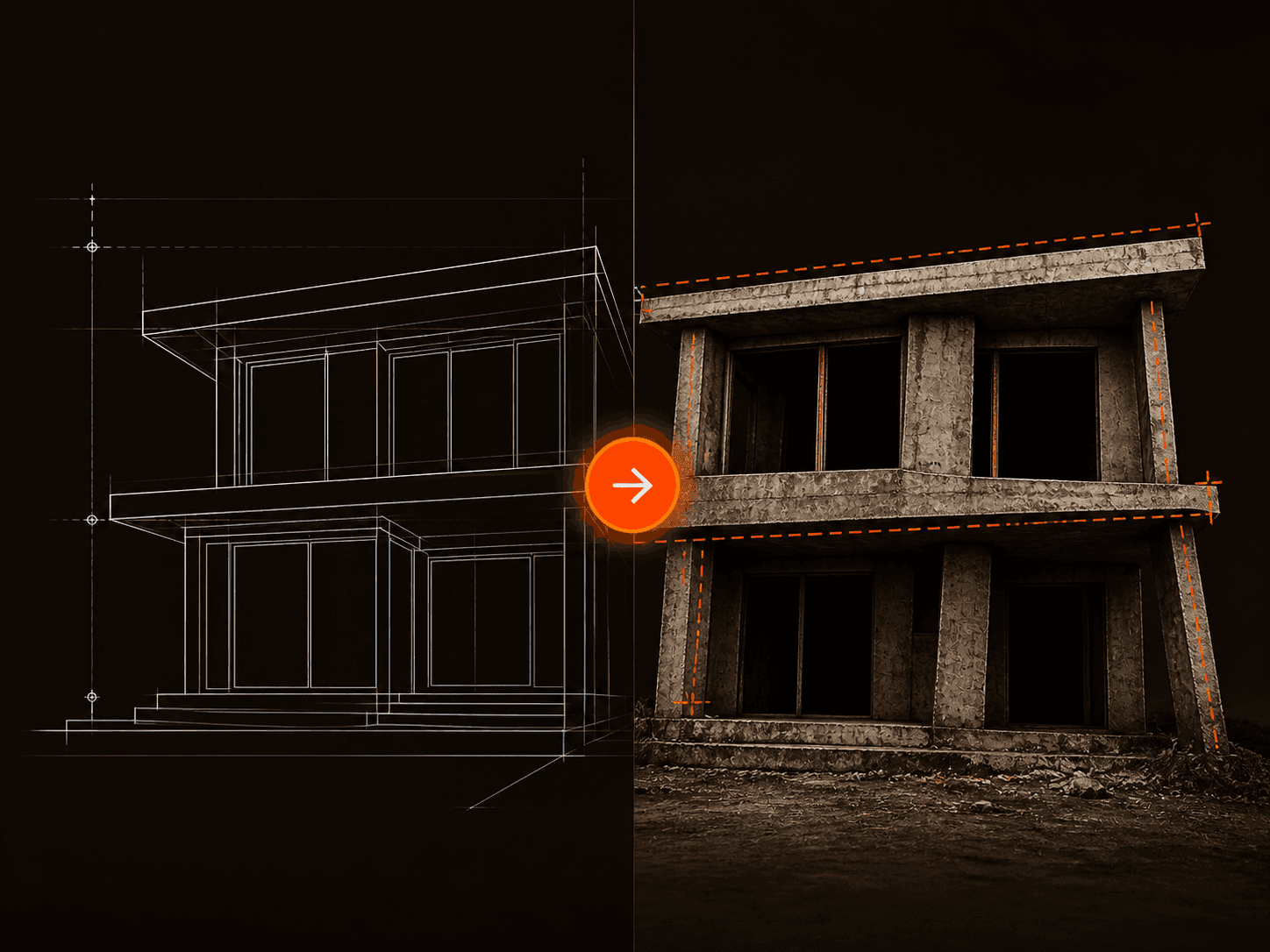

Why Most Startup Designs Fail in Development
A designer spends weeks crafting the perfect product experience. Every interaction is intentional, every screen is refined, and the entire flow feels seamless inside Figma.
Then development begins.
And what finally ships feels like a diluted version of what was imagined. Interactions behave differently, layouts shift under real content, and small inconsistencies start adding up. The product still works, but it no longer feels as sharp or intentional.
This is where most startup products quietly lose quality. Not in ideas, not in design, but in how design translates into reality.
For any design agency for startups, this is one of the most critical problems to solve.
Design and Development Are Solving Different Problems
Designers and developers are not misaligned because they lack collaboration. They are misaligned because they are trained to think differently.
Designers focus on user experience, flow, and clarity. They think about how a product should feel in its best possible state. Developers focus on systems, frontend implementation, and performance. They think about how a product behaves under real conditions.
Both perspectives are necessary, but when they operate in sequence instead of together, the gap becomes visible. Design often represents the ideal path, while development handles edge cases, real data, and technical limitations that were never fully explored during design.
This disconnect directly impacts user experience consistency and product quality.
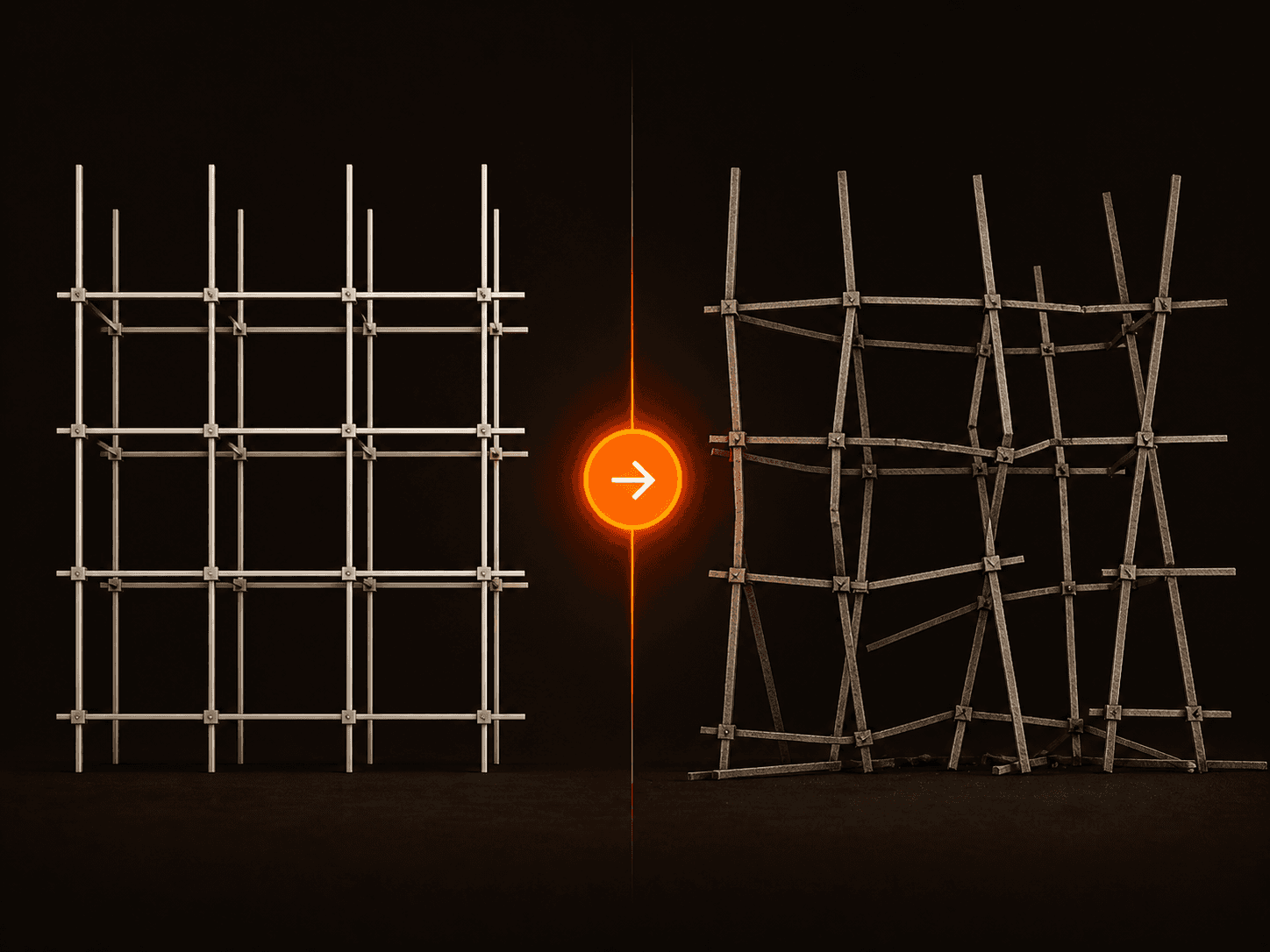
Why Most Design Agencies for Startups Fail in Execution
The typical workflow still follows a simple pattern. Design is completed, handed over, and then development begins. On paper, this looks efficient. In practice, it creates ambiguity.
Static designs cannot fully represent how a product behaves with real users, dynamic data, or frontend constraints. Important details such as error states, scalability issues, and system behavior are either simplified or missing.
Developers are then forced to interpret intent. Each interpretation introduces small deviations, and those deviations compound across the product.
This is where most design agencies for startups fall short. They deliver design, but they do not own implementation quality.
Handoffs Do Not Scale for Startup Products
The best teams do not treat design and development as separate phases. They treat them as a shared system.
Designers and developers work together early, discussing constraints before they become problems. Decisions are made with both experience and implementation in mind. Instead of fixing issues later, they prevent them upfront.
This approach is what separates scalable startup product design from surface level execution.
At 2WIK, this is built into how we operate. There is no point where design is simply passed along. The process stays connected from concept to launch.
What Modern Startup Product Design Actually Looks Like
Modern startup product design is less about visual output and more about system thinking.
It starts with early alignment on technology, scalability, and frontend constraints so that design decisions are grounded in reality. Instead of relying on static screens, teams move toward interactive thinking where flows and behaviors reflect the actual product experience.
Design systems play a critical role here. Components are created as reusable building blocks, ensuring consistency across design and development. This reduces ambiguity and improves implementation speed.
Most importantly, collaboration is continuous. Not through excessive meetings, but through shared context and faster decision making.
How Startups Can Fix the Design to Development Gap
Startups do not need more tools to solve this problem. They need a better system.
Start by involving developers early in the design process so constraints are understood before decisions are finalized. Move away from static mockups and focus on interactive prototypes that reflect real behavior.
Invest in design systems that align with frontend architecture so that components are consistent across both design and code. Reduce dependency on handoffs and focus on shared ownership between design and development.
Most importantly, treat design as part of product execution, not as a separate phase.
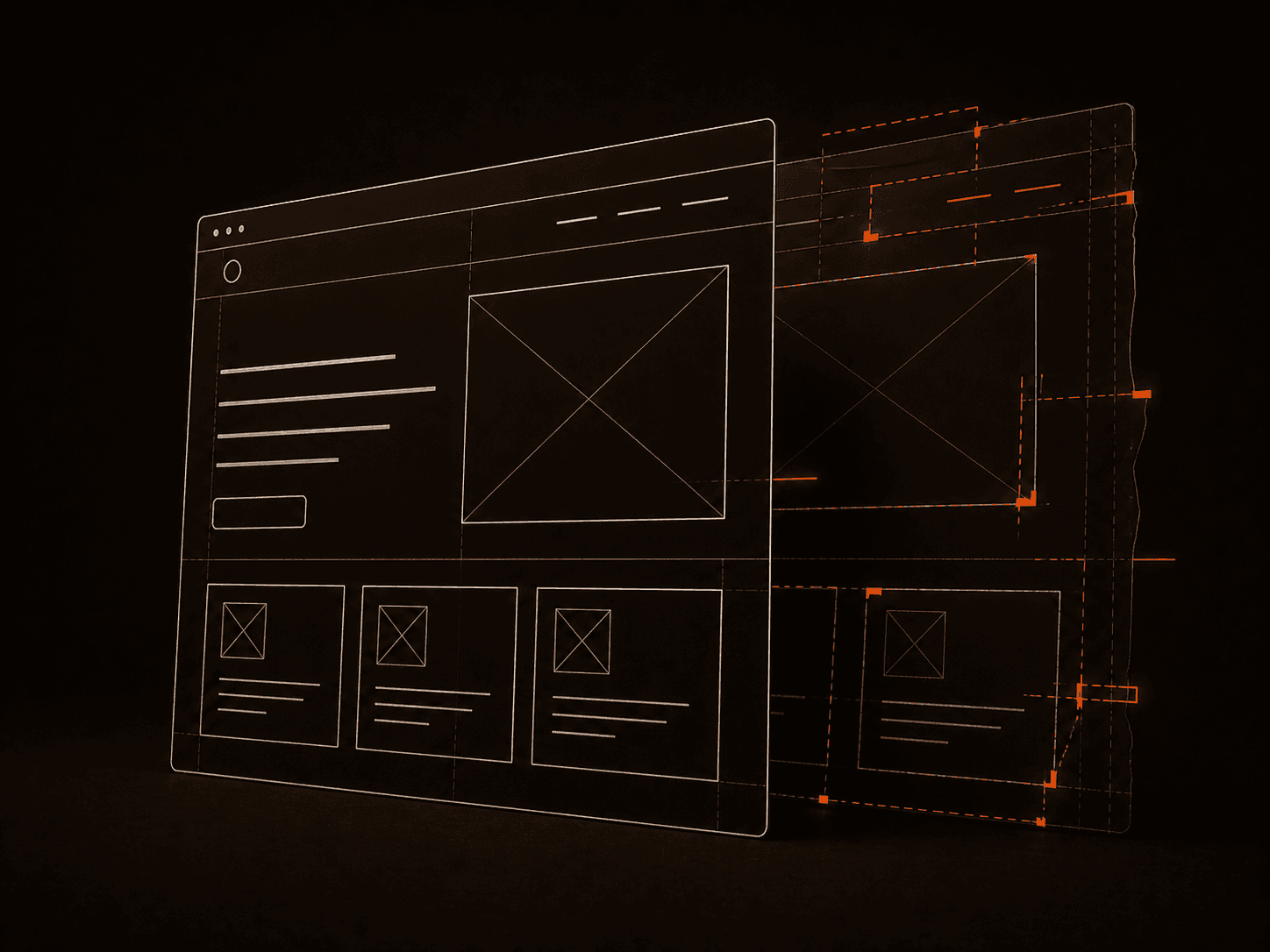
The Business Impact of Better Design Implementation
When design and development are aligned, the impact is immediate.
Products move faster from idea to launch because there is less rework. User experience remains consistent because decisions are not reinterpreted at every stage. Engineering effort becomes more predictable, and teams scale without introducing chaos into the product.
For startups, this directly affects growth. A product that feels cohesive builds trust faster and performs better in competitive markets.
Where 2WIK Fits as a Design Agency for Startups
2WIK is built for startups and growing brands that need more than design deliverables.
We focus on building a connected system where branding, product design, development, and SEO work together from the start. This allows us to operate as a design agency for startups that prioritizes execution, scalability, and long term growth.
Because in the end, design is only valuable when it translates perfectly into the final product.
Build Without the Usual Friction
If your product does not match your design after development, the issue is not effort or talent. It is alignment.
Fixing that does not require more process layers. It requires a better way of working.
2WIK helps startups design, build, and scale without that disconnect, so the final product feels as intentional as the original idea.
FAQ
Why does design break during development
Design often focuses on ideal scenarios, while development handles real world constraints like performance, edge cases, and dynamic data.
How can startups improve design implementation
Startups should involve developers early, use design systems, and focus on interactive prototypes instead of static designs.
What is the role of design systems in startups
Design systems ensure consistency across design and development, making products easier to scale and maintain.
Should startups hire a design agency or build in house
It depends on speed and expertise. A design agency for startups like 2WIK can provide both strategic thinking and execution without internal delays.